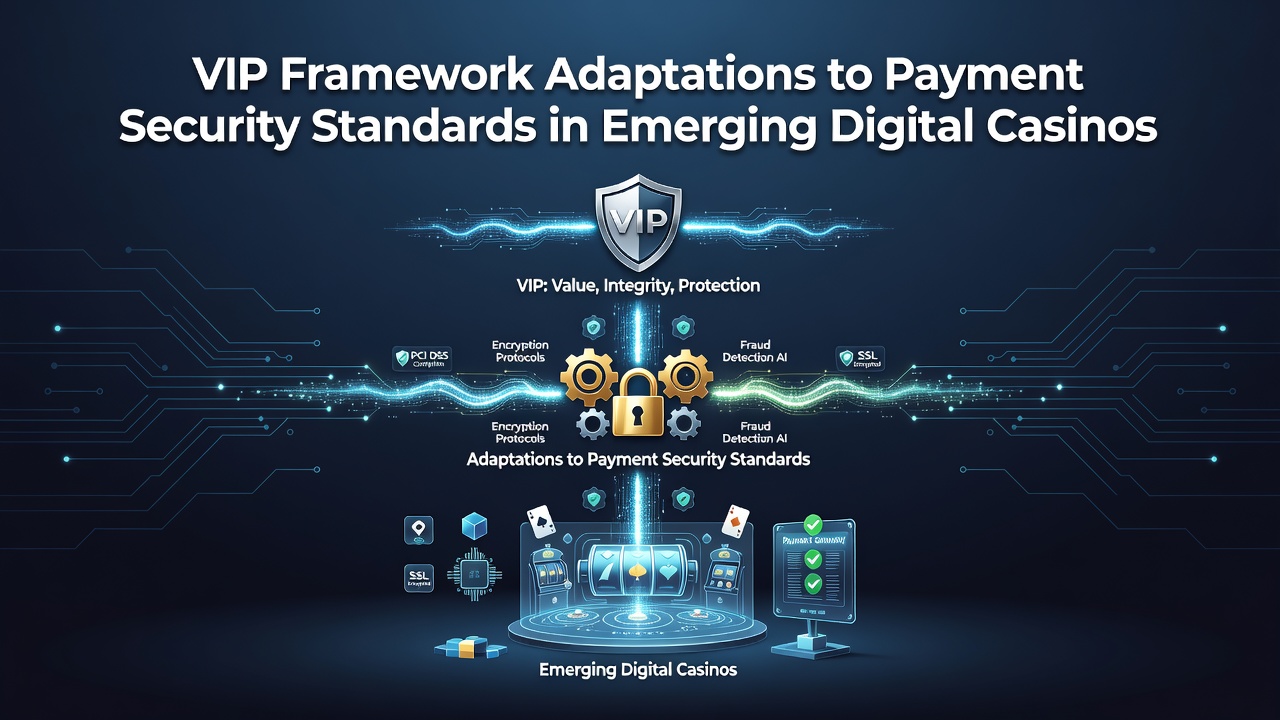
VIP Framework Adaptations to Payment Security Standards in Emerging Digital Casinos
Emerging digital casinos have expanded VIP frameworks to meet evolving payment security standards since 2024, with operators integrating multi-layered encryption protocols and real-time monitoring systems that align with global benchmarks such as those outlined by the PCI Security Standards Council. These adaptations address transaction volumes that rose sharply in markets across Asia and Latin America, where new platforms launched between 2025 and 2026.
Core Security Protocols in VIP Payment Systems
Payment security standards require tokenization of card details and biometric authentication for high-value VIP accounts, and data from industry reports shows that casinos in emerging regions adopted these measures at rates exceeding 70 percent by mid-2026. Adaptive frameworks now route VIP deposits through segregated ledgers that isolate premium user activity from standard player flows, which reduces exposure during compliance audits.
Regulatory bodies in the European Union and Canada have issued updated guidelines that tie VIP reward structures directly to anti-money laundering checks, and operators respond by embedding automated verification steps at each tier upgrade. This integration allows seamless processing while maintaining audit trails that satisfy both local and international oversight.
Regional Implementation Patterns Through August 2026
Platforms operating in Southeast Asia and South America adjusted their VIP payment gateways in response to new licensing requirements that took effect in early 2026. One study from a Singapore-based research institute documented how these changes synchronized reward calibration with device-specific security tokens, enabling instant ledger updates without compromising encryption layers.
August 2026 brought additional scrutiny as several jurisdictions prepared mid-year reviews of digital gaming concessions, prompting operators to refine their frameworks further. Figures reveal that transaction approval times for VIP users dropped by an average of 40 percent after these refinements, while false-positive fraud flags decreased across monitored networks.
Technical Integrations and Compliance Tools
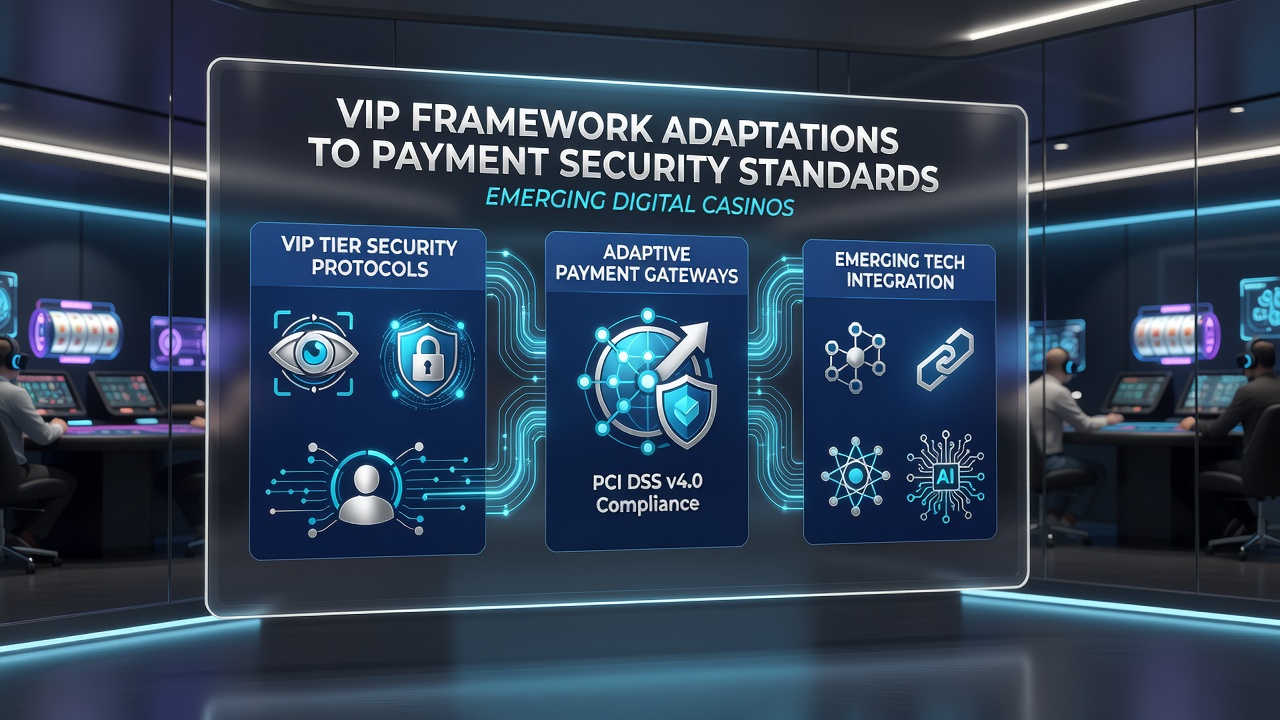
Developers incorporated decentralized ledger technology into VIP payment modules to create immutable records of high-value transfers, and this approach supports compliance with standards from multiple regulatory regions simultaneously. Observers note that such systems allow casinos to scale reward programs without rebuilding core security infrastructure each time standards evolve.
Case examples from operators in Australia and parts of Africa illustrate how API connections between loyalty engines and payment processors now include dynamic risk scoring that adjusts thresholds based on player history and transaction size. These tools operate continuously, feeding data into centralized compliance dashboards that regulators access during periodic evaluations.
Future-Proofing VIP Structures
Emerging digital casinos continue to test quantum-resistant encryption methods within their VIP payment pathways, with pilot programs reported in several markets by summer 2026. Research indicates that early adopters achieved measurable reductions in vulnerability assessments after deploying these protocols alongside existing multi-factor authentication layers.
Industry associations across North America and the Asia-Pacific region have begun publishing joint frameworks that outline minimum security baselines for VIP adaptations, and casinos reference these documents when expanding into new territories. The coordinated guidelines emphasize interoperability between different payment rails while preserving the confidentiality of premium account data.
Conclusion
Adaptations in VIP frameworks reflect ongoing alignment between payment security standards and the operational demands of emerging digital casinos. Data collected through August 2026 demonstrates measurable progress in encryption deployment, verification automation, and cross-border compliance coordination. These developments continue to shape how operators manage high-value user experiences within regulated environments.