
Tracing Connections Between Encrypted Funding Routes and Adaptive Betting Patterns in Real-Time Dealer Interactions
Encrypted funding routes have expanded across digital gaming platforms that feature live dealer tables, creating traceable links between transaction paths and the ways participants adjust their wagers during sessions. These connections emerge through blockchain records that document transfers from digital wallets into casino accounts, while real-time dealer interactions capture sequences of bet increases, decreases, and timing shifts on games such as blackjack, roulette, and baccarat. Industry data compiled through 2025 shows continued growth in crypto-enabled live dealer traffic, with projections extending into July 2026 indicating further integration of privacy-focused payment layers at major operators.
Blockchain analysis tools map these routes by following transaction hashes from source addresses through intermediate mixers or tumblers into operator-controlled wallets. Observers note that certain clusters of addresses appear repeatedly in connection with rapid bet escalations during dealer rounds, where players raise stakes immediately after large incoming transfers clear. Studies conducted by academic groups have examined these patterns by cross-referencing on-chain timestamps with session logs provided under regulatory data-sharing agreements.
Mechanics of Encrypted Routes in Live Dealer Environments
Encrypted routes typically rely on privacy coins or layered protocols that obscure direct wallet linkages, yet forensic methods developed by research institutions still recover partial trails through clustering algorithms and address reuse detection. Data from multiple jurisdictions reveals that players who route funds via these methods often display compressed decision windows, placing larger bets within seconds of confirmed deposits compared with fiat-funded accounts. Regulatory filings from the Nevada Gaming Control Board document similar timing correlations in audited live dealer platforms during 2025 compliance reviews.
Real-time dealer interfaces record every bet action alongside account balance updates, generating datasets that analysts align with blockchain explorers. When an encrypted transfer arrives, subsequent betting sequences frequently show stepped increases followed by quick withdrawals once thresholds are reached. Researchers at the Australian Institute of Criminology have published findings on comparable behavioral markers across monitored offshore platforms, noting consistent patterns in bet sizing relative to funding velocity.
Adaptive Betting Sequences and Funding Correlations
Adaptive betting manifests as adjustments made in response to dealer card distributions, table momentum, and remaining session time. When encrypted routes supply the capital, these adjustments sometimes occur in tighter clusters, with multiple raises executed before the next shuffle or dealer change. Figures released by the European Gaming and Betting Association indicate that platforms supporting instant crypto settlement report higher frequencies of intra-round stake changes than those limited to slower settlement methods.
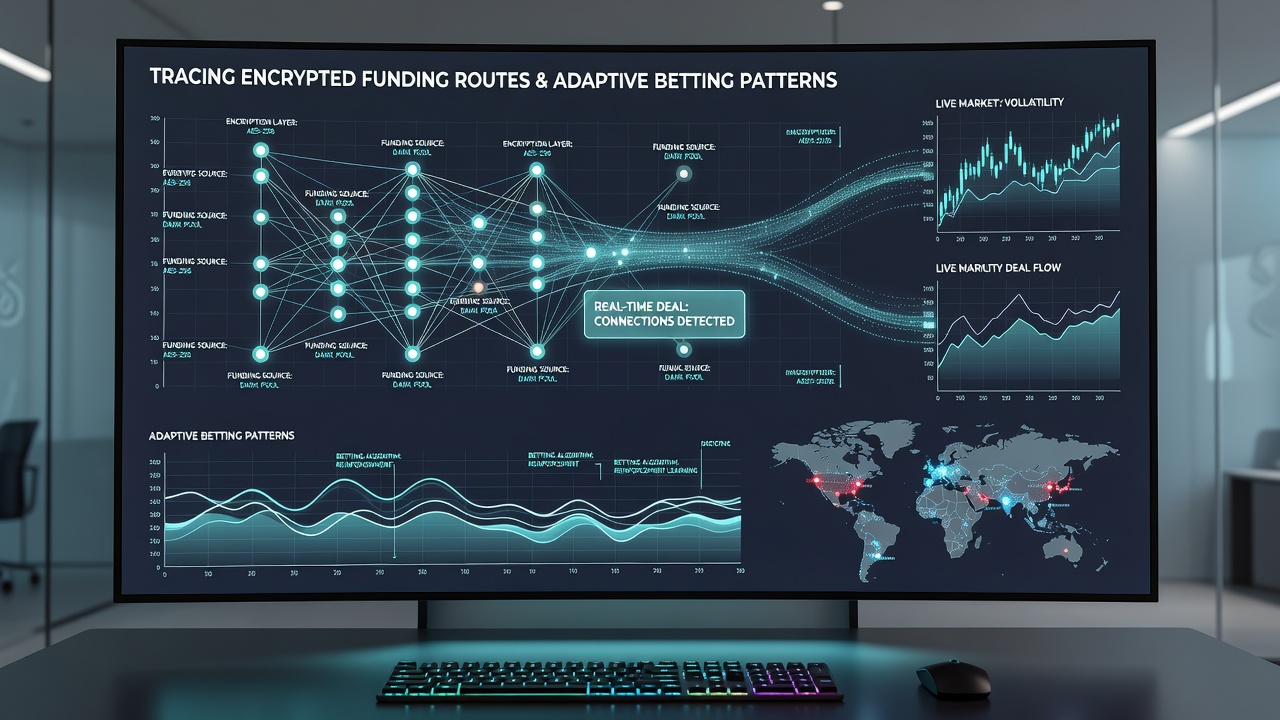
One longitudinal review of session data paired with ledger entries found that addresses associated with privacy-enhanced transfers correlated with elevated variance in bet amounts across consecutive hands. This variance appeared most pronounced during peak evening hours when dealer tables operated at full capacity. Cross-border regulatory exchanges have begun sharing aggregated statistics that highlight these linkages without exposing individual player identities, allowing broader pattern recognition across markets.
Analytical Approaches and Data Integration
Tracing methods combine on-chain heuristics with platform telemetry to identify probable connections. Machine learning models trained on historical datasets flag sequences where large encrypted inflows precede statistically unusual betting runs. Reports compiled for July 2026 forecasting exercises suggest operators will expand use of these models to meet emerging compliance benchmarks in multiple regions.
Case examinations conducted by independent research teams demonstrate how a single funding cluster can link to dozens of distinct live dealer accounts, each exhibiting parallel adaptation strategies such as hedging bets after initial wins funded by the same route. These examinations rely on voluntary data contributions from licensed entities rather than direct surveillance, maintaining separation between transaction details and personal records.
Conclusion
Connections between encrypted funding routes and adaptive betting patterns continue to surface through combined analysis of blockchain records and live dealer telemetry. Available datasets from regulatory and academic sources document timing alignments and variance shifts without attributing intent. As platforms prepare for anticipated activity levels in July 2026, continued integration of these tracing techniques supports compliance monitoring across jurisdictions while preserving the factual record of observed correlations.