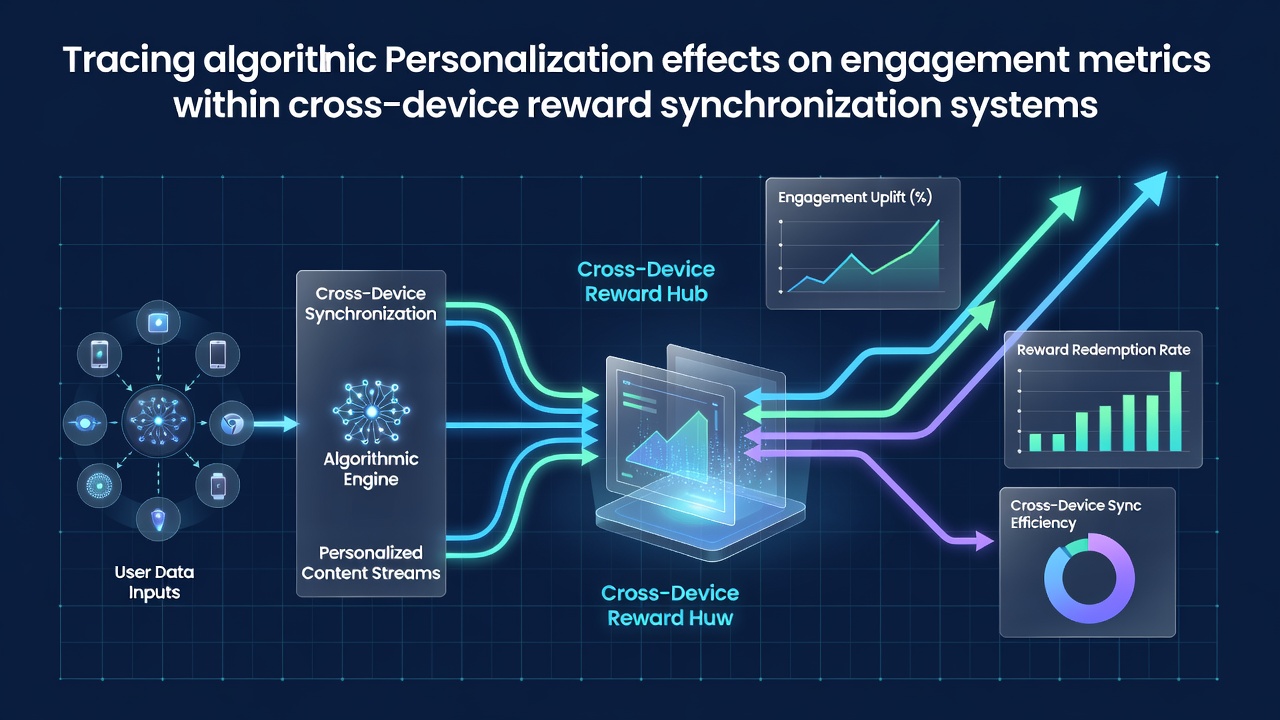
Tracing Algorithmic Personalization Effects on Engagement Metrics Within Cross-Device Reward Synchronization Systems
Algorithmic personalization operates by analyzing user interaction patterns across multiple devices while reward synchronization systems maintain consistent incentive delivery regardless of access point, and researchers track resulting shifts in engagement metrics such as session duration, return frequency, and feature interaction rates. These frameworks combine machine learning models with real-time data streams to adjust reward values based on individual behavior histories, yet they require careful monitoring to separate genuine engagement gains from temporary spikes driven by novelty effects.
Core Components of Cross-Device Reward Systems
Cross-device reward synchronization relies on unified user profiles that aggregate activity from smartphones, tablets, laptops, and connected wearables, while algorithms assign personalized multipliers or bonus tiers according to predicted value and risk tolerance. Data pipelines collect timestamps, device identifiers, and behavioral signals, then feed these into clustering models that segment users into dynamic groups for targeted offer calibration. Observers note that synchronization engines must resolve conflicts when the same user initiates sessions on different devices within short time windows, because mismatched reward states can reduce trust and lower subsequent interaction rates.
Studies from academic institutions in Canada have examined how latency in profile updates affects metric accuracy, and findings reveal that delays exceeding three seconds correlate with measurable drops in click-through rates on reward claims. Synchronization protocols therefore incorporate conflict-resolution rules that prioritize the most recent verified action while preserving audit trails for compliance reviews.
Measuring Personalization Impact on Engagement
Engagement metrics shift when personalization algorithms increase reward relevance, and metrics such as average session length and weekly active days often rise following implementation of cross-device calibration. Research indicates that users receiving synchronized offers across devices demonstrate higher completion rates for multi-step tasks compared with control groups exposed to generic rewards. Analysts track these changes through A/B testing frameworks that isolate the contribution of algorithmic adjustments from external factors like seasonal promotions or platform updates.
One notable pattern emerges when algorithms adjust reward frequency based on device-specific usage peaks, because evening tablet sessions may receive different incentive structures than morning mobile check-ins, and this differentiation produces distinct engagement curves. Figures from industry reports compiled in Australia show that platforms employing such device-aware personalization recorded an average 18 percent increase in daily reward redemptions over a six-month observation window.
Technical Challenges in Attribution and Tracing
Attribution becomes complex once rewards travel across devices, since a user might discover an offer on one screen and redeem it on another, and standard analytics tools struggle to maintain unbroken user journeys without robust identity resolution. Engineers deploy probabilistic matching techniques alongside deterministic identifiers to reconstruct these paths, while privacy regulations in the European Union require explicit consent mechanisms that limit the granularity of cross-device tracking. Those who study these systems observe that incomplete attribution leads to overestimation of personalization benefits, because some engagement spikes trace back to unrelated marketing channels rather than reward adjustments.
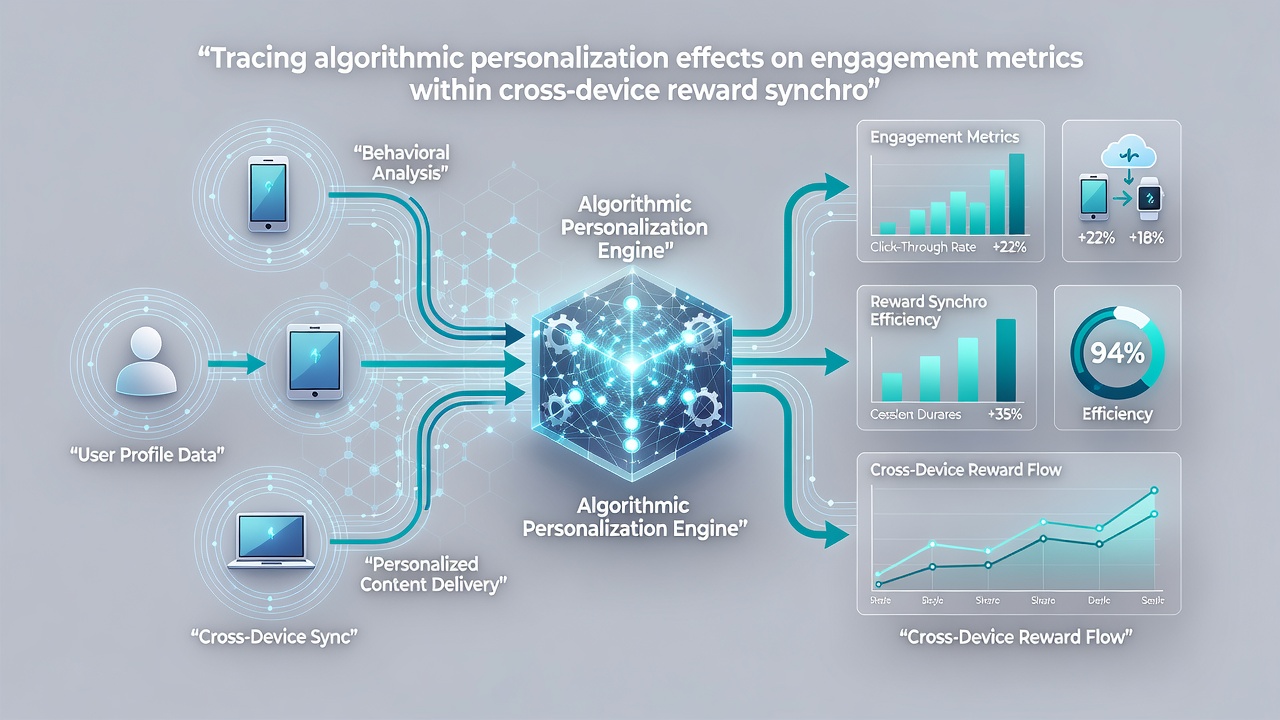
Additional complications arise when algorithms incorporate contextual signals such as location or time of day, because these variables interact with device type and create interaction effects that demand multivariate statistical models for accurate measurement. Reports from regulatory bodies in Singapore highlight the importance of maintaining transparent documentation of model inputs so that external auditors can verify that engagement gains stem from personalization rather than broader platform improvements.
Longitudinal Observations and Metric Stability
Over extended periods, the effects of algorithmic personalization on engagement metrics tend to stabilize after initial novelty periods fade, and longitudinal studies track whether early gains persist or decay as users adapt to reward patterns. Data collected through mid-2026 indicates that platforms refreshing personalization parameters quarterly sustain higher engagement plateaus than those relying on static models. Synchronization across devices supports this stability by ensuring users encounter consistent reward states, which reduces friction and supports habitual interaction.
Researchers at institutions in Japan have documented cases where cross-device synchronization reduced account abandonment rates by aligning reward progress across sessions, and similar patterns appear in datasets from North American operators. These observations underscore the value of continuous model retraining that incorporates fresh behavioral data while preserving historical synchronization accuracy.
Regulatory and Operational Considerations
Regulatory frameworks in multiple jurisdictions require disclosure of how algorithmic decisions influence reward eligibility, and operators must demonstrate that personalization does not create unfair advantages or disadvantages for specific user segments. Compliance teams therefore maintain logs that link model outputs to individual engagement outcomes, enabling periodic reviews by oversight bodies. In July 2026, several industry conferences plan to address emerging standards for auditing cross-device systems, reflecting growing attention to transparency in reward personalization practices.
Operational teams balance personalization depth against computational overhead, because real-time synchronization across millions of user profiles demands efficient data architectures. Those managing these platforms report that edge computing nodes help reduce latency while preserving the integrity of reward state replication.
Conclusion
Tracing algorithmic personalization effects within cross-device reward synchronization systems involves systematic measurement of engagement metrics alongside careful attention to attribution accuracy and regulatory compliance. Evidence from multiple regions shows measurable shifts in user behavior when synchronization maintains consistent reward states, yet sustained benefits depend on ongoing model refinement and transparent documentation. As platforms continue to expand device coverage and refine personalization logic, the ability to isolate and quantify these effects remains central to operational decision-making and external oversight.