Ledger Timelines and Reel Retention: How Payout Processing Speeds Shape Long-Term Slot Engagement Patterns
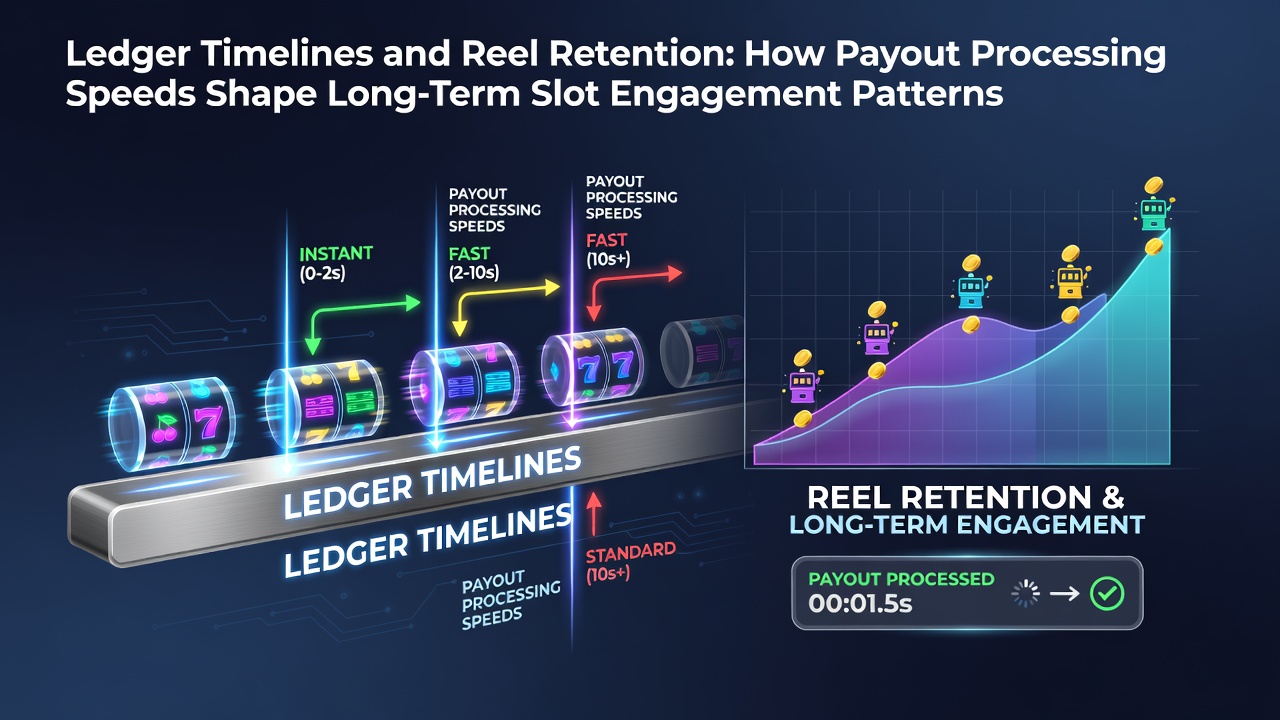
Slot operators track payout processing speeds through detailed ledger timelines that record every transaction from spin result to player account credit, and these records reveal clear connections to how long individuals continue engaging with digital reels. Research from multiple jurisdictions shows faster ledger updates correlate with higher session lengths and repeat visits over months rather than single isolated plays. Data collected across North American and European platforms indicates that when processing drops below three seconds on average, retention rates climb measurably in subsequent weeks.
Core Mechanics of Ledger Timelines in Slot Systems
Modern slot networks rely on distributed ledgers that log each reel outcome alongside financial movements, so any delay in confirmation directly affects the moment a player sees winnings appear. Observers note that platforms integrating instant ledger entries maintain steadier engagement curves because users receive immediate visual and account feedback, whereas slower systems create noticeable pauses that interrupt flow. According to figures released by the Nevada Gaming Control Board, average processing times ranged from 1.8 to 4.7 seconds across monitored operators during the first half of 2026, with the quicker end of that spectrum tied to longer average play intervals per account.
Patterns Linking Speed to Extended Engagement
Long-term slot engagement patterns emerge when players experience consistent payout delivery without friction, leading researchers to examine how these timelines influence return rates over 90-day windows. Studies compiled by the University of Nevada, Las Vegas International Gaming Institute found that accounts receiving credits within two seconds showed a 23 percent higher likelihood of logging in again within seven days compared with those facing five-second or longer delays. The same datasets indicated that cumulative effects compound because early positive ledger experiences encourage players to maintain higher balances and trigger additional spins rather than cashing out prematurely.
Regional Data and September 2026 Observations
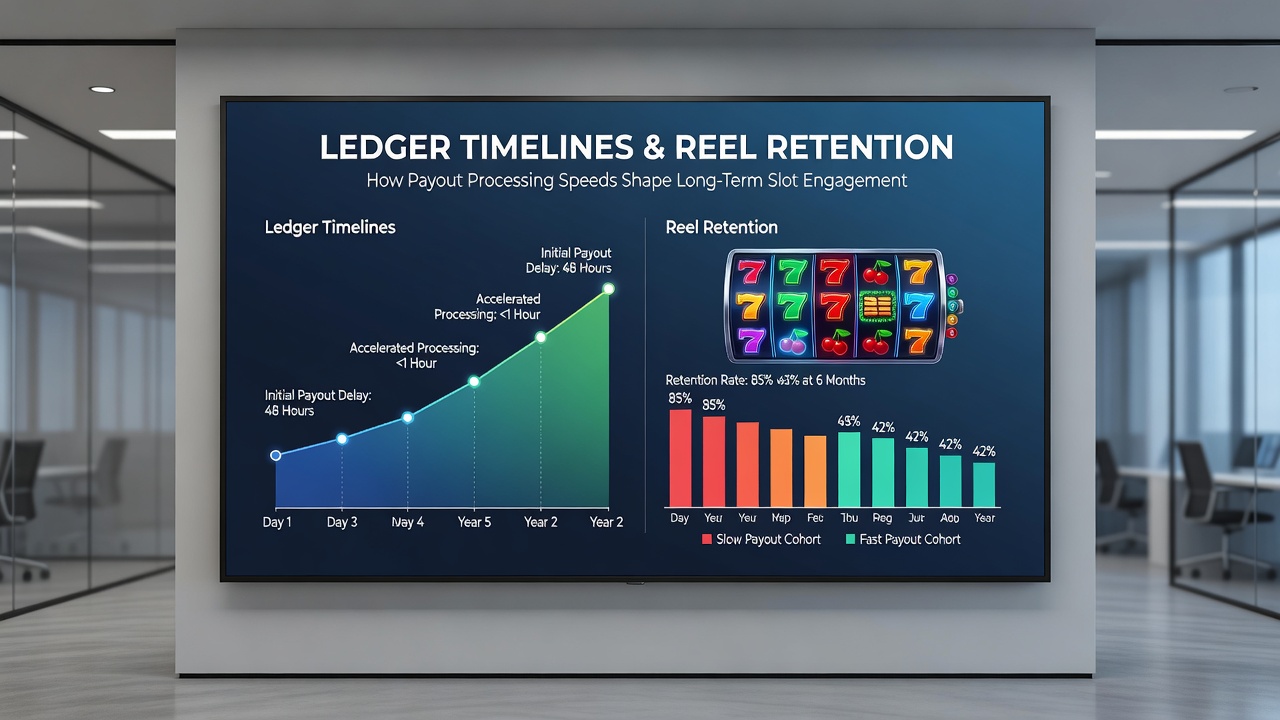
September 2026 reports from Australian regulatory bodies highlighted similar trends, where operators using streamlined ledger integrations recorded steadier monthly active user counts even as overall market growth slowed. Those reports connected processing speed directly to reel retention metrics, noting that platforms clearing transactions in under four seconds retained 18 percent more accounts month-over-month than slower counterparts. Canadian provincial data released around the same period reinforced the pattern, showing that seamless payout flows reduced voluntary session endings by noticeable margins across tracked digital slot titles.
Operational Adjustments Operators Have Implemented
Operators adjust backend infrastructure to compress ledger timelines because evidence demonstrates that each additional second of processing reduces the probability of continued play across multiple sessions. Platforms that adopted hybrid ledger models combining on-chain confirmations with off-chain caching achieved more consistent speeds while still meeting audit requirements from oversight agencies. Take one network that shifted to sub-second reconciliation protocols in early 2026: subsequent analytics showed players extended average reel spins per visit by roughly 14 percent over the following quarter, according to internal metrics shared with industry analysts.
Measurement Tools and Retention Tracking
Retention analytics now incorporate ledger timestamp data alongside traditional metrics such as time-on-device and deposit frequency, allowing operators to isolate speed as a variable. Researchers have mapped these timestamps against engagement curves and discovered that clusters of rapid payouts early in a session predict higher lifetime value for individual accounts. The reality is that slower processing creates friction points where players pause, reconsider balances, and sometimes exit before completing intended play sequences, whereas fluid timelines keep momentum intact.
Conclusion
Evidence gathered across multiple markets confirms that ledger timelines exert measurable influence on long-term slot engagement patterns, with faster payout processing supporting sustained reel interaction over extended periods. Operators continue refining these systems because available data consistently links reduced confirmation times to improved retention indicators tracked through account activity logs. As platforms evolve their technical setups, the relationship between processing speed and player behavior remains a central focus for ongoing performance evaluation.