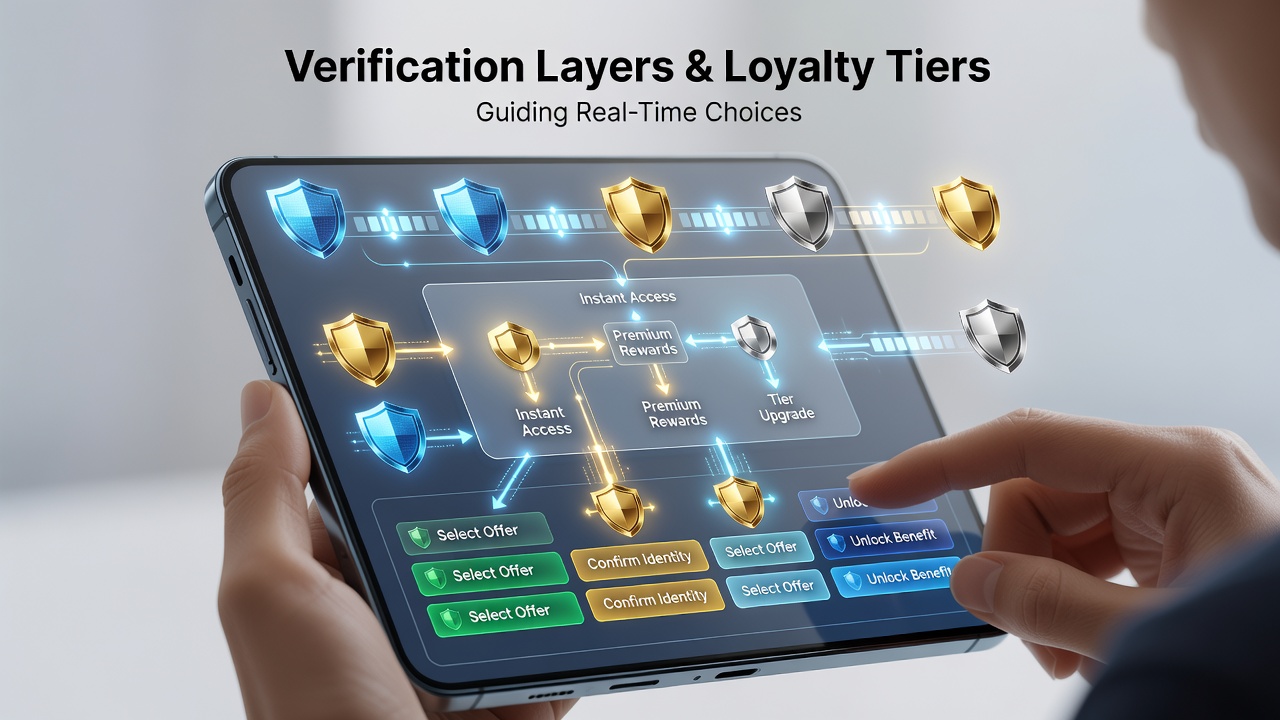
How Verification Layers Sync with Loyalty Tiers to Guide Real-Time Choices Across Handheld Interactive Platforms
Verification layers in handheld interactive platforms combine identity checks, device authentication, and behavioral monitoring with loyalty tier systems to shape user decisions during active sessions, and these integrations rely on data flows that update in real time as players engage with mobile applications. Systems process login credentials alongside account history to assign or adjust tier status, which then determines available options such as bonus eligibility or game access without requiring separate user input at each step.
Core Components of Verification Layers
Verification processes begin with multi-factor authentication that includes biometric scans or two-step codes sent to registered devices, and these steps connect directly to backend databases that track prior activity across sessions. Researchers at institutions studying digital platform security note that such layers reduce unauthorized access rates by cross-referencing location data with account patterns, while platforms operating in regulated markets apply these checks continuously rather than only at initial signup. Data from industry analyses shows that handheld systems often complete verification within seconds because they pull from cached information stored on the device itself, allowing sessions to proceed without interruption.
Loyalty Tier Frameworks and Their Data Inputs
Loyalty tiers categorize users based on metrics like total play volume, frequency of deposits, and engagement duration, with higher levels unlocking features such as personalized game recommendations or expedited support responses. These frameworks pull information from the same verification outputs that confirm user identity, which means tier adjustments occur automatically when spending thresholds are met during a single mobile session. Observers note that platforms update tier status through algorithms that weigh recent activity more heavily than older records, creating dynamic profiles that reflect current behavior rather than static historical summaries.
Integration Mechanisms in Real-Time Environments
Syncing happens through application programming interfaces that link verification servers to loyalty management modules, and this connection enables immediate responses when a player attempts an action that depends on their current tier. For instance, a verified user at a mid-level tier might see restricted high-stakes tables disappear from their handheld interface until they complete additional authentication steps tied to their account level. Studies from academic sources on mobile systems indicate that these synchronized processes rely on event-driven triggers, where each verified transaction feeds into tier calculations without manual intervention from operators.
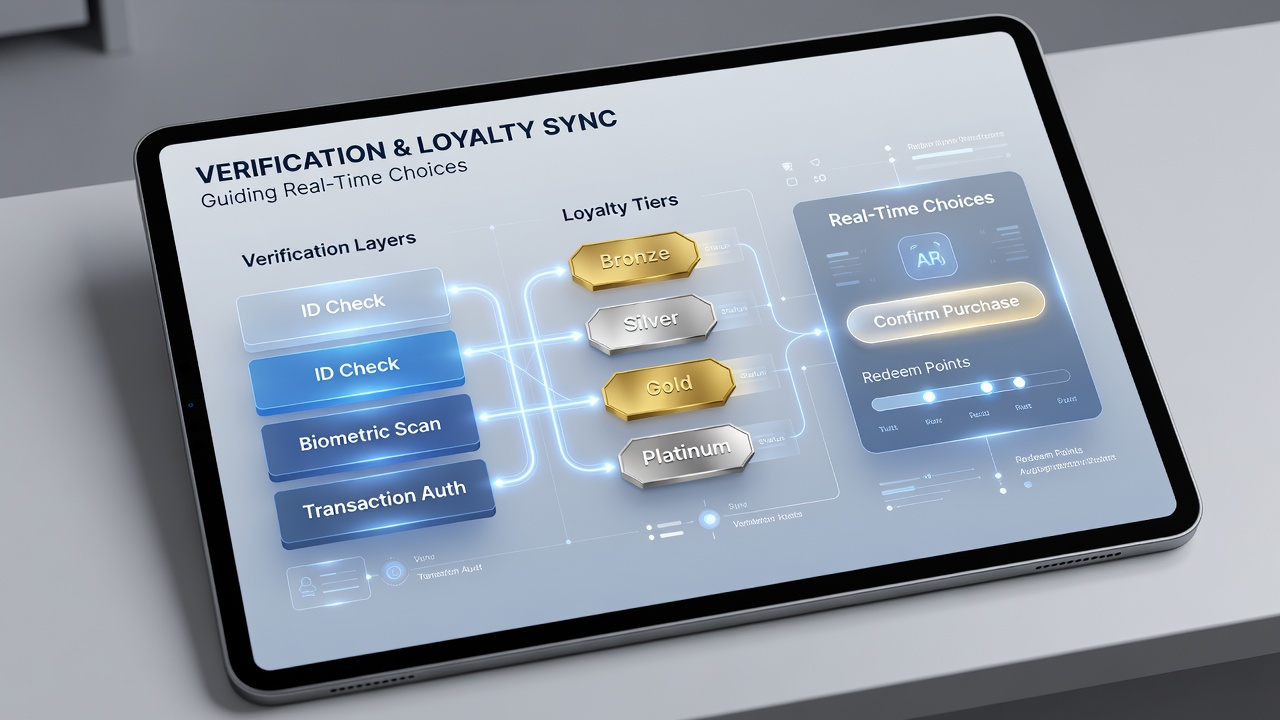
Platforms in various regions apply similar structures, though details vary by local requirements, and June 2026 projections from multiple markets suggest continued emphasis on seamless mobile integration as device capabilities expand. The result appears in user interfaces that adapt choices on the fly, presenting options aligned with both security status and reward level at the moment of decision.
Impact on User Decision Patterns
Real-time guidance emerges when verification confirms eligibility for tier benefits, which then filters the visible choices available on the handheld screen during active play. Users encounter prompts or menu adjustments that reflect their synced status, such as offers for tier-exclusive games that only appear after successful verification checks complete. Evidence from platform performance reports reveals that these mechanisms influence selection speed because verified high-tier accounts receive streamlined access paths compared to base levels that require extra confirmations. Those who have examined mobile gaming ecosystems point to reduced decision friction for established users as a consistent outcome of such layering, since the system anticipates needs based on combined data points rather than isolated queries.
Examples from Operational Platforms
Take one operator in North America that implemented tier-linked verification in its mobile app during 2025, where players advancing to premium levels gained instant access to live dealer options without repeated identity prompts. Another case from European markets shows how loyalty data feeds into verification protocols to flag unusual patterns quickly, prompting tier-specific limits that guide spending decisions within the same session. Industry organizations tracking these developments report that such examples demonstrate consistent patterns across handheld platforms, with verification acting as the gatekeeper that activates tier benefits automatically.
Technical Considerations and Data Handling
Encryption standards protect the data exchange between verification and loyalty components, ensuring that tier updates do not expose sensitive details during transmission across networks. Handheld devices cache portions of this information locally to maintain functionality during brief connectivity lapses, and platforms refresh these caches upon each verified interaction. Reports from research institutions highlight that effective syncing depends on low-latency connections, which handheld networks increasingly support through 5G infrastructure deployed in major markets by mid-2026.
Conclusion
Verification layers and loyalty tiers operate as interconnected systems that deliver context-aware choices on handheld interactive platforms, with data synchronization enabling adjustments that align security requirements with reward structures throughout user sessions. Continued refinements in these areas build on established patterns observed across multiple regions, supporting consistent functionality as mobile technologies advance.