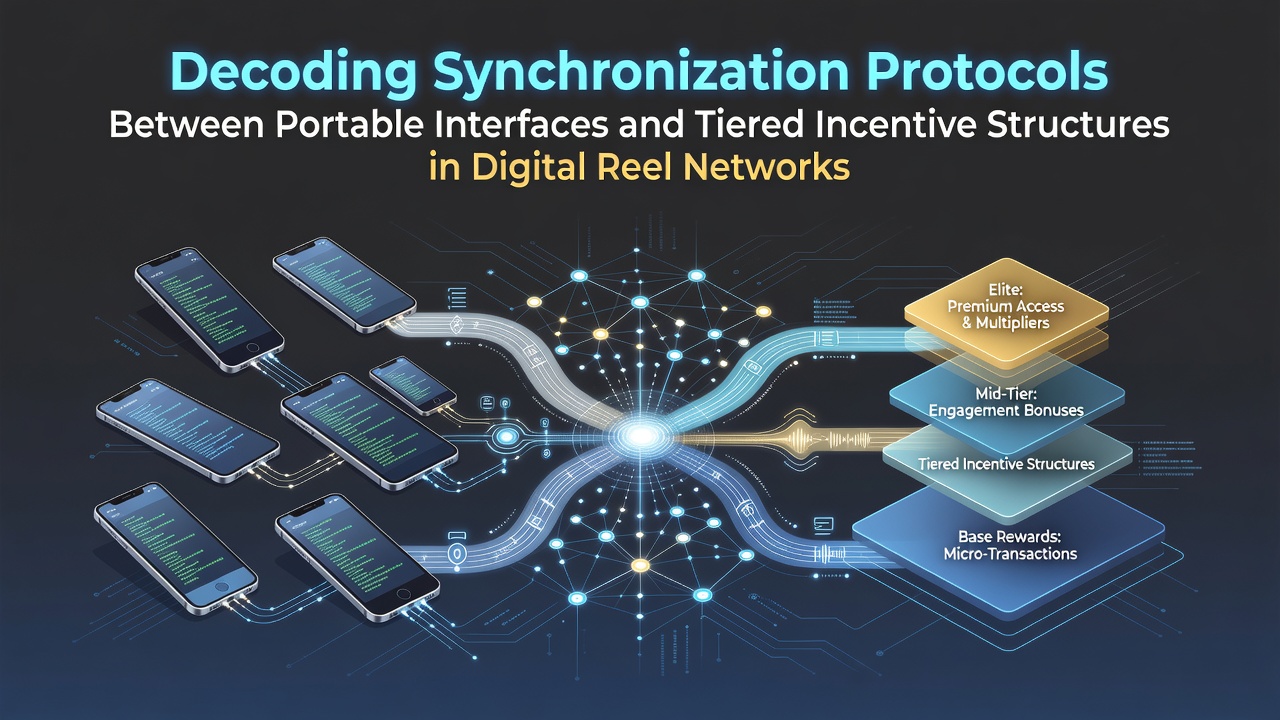
Decoding Synchronization Protocols Between Portable Interfaces and Tiered Incentive Structures in Digital Reel Networks
Digital reel networks operate through layered systems where portable interfaces connect directly to backend servers that manage player data and reward distribution, and synchronization protocols serve as the bridge that keeps mobile sessions aligned with incentive tiers in real time. These protocols handle data exchanges between apps on smartphones or tablets and centralized platforms, ensuring that progress toward higher reward levels updates without lag across devices.
Portable Interfaces and Their Role in Reel Networks
Portable interfaces include dedicated mobile applications and browser-based platforms optimized for touch interaction, and they pull live game data while pushing session metrics back to the network core. Data shows that players using these interfaces generate transaction logs every few seconds during active play, which feeds directly into tier calculations that determine bonus eligibility and payout multipliers. Observers note that seamless handoffs between Wi-Fi and cellular connections depend on protocol-level checks that verify session continuity before any reward adjustment takes effect.
Tiered Incentive Structures in Practice
Tiered incentive structures assign players to levels based on accumulated activity metrics such as total wagers, session frequency, and game variety, and each level unlocks distinct benefits including enhanced free-spin allocations or cashback percentages. Research indicates that these frameworks rely on timestamped data packets sent from portable devices to prevent duplicate crediting or missed updates when users switch between multiple access points. The architecture typically segments incentives into bronze, silver, gold, and platinum categories, with protocol rules enforcing minimum activity thresholds before any tier advancement registers on the player dashboard.
How Synchronization Protocols Function
Synchronization protocols employ a combination of API endpoints and encrypted token exchanges to maintain consistency between the portable front end and the tier database, and they resolve conflicts when a player initiates a spin on one device while a reward claim processes on another. Figures from industry monitoring reveal that average latency for these exchanges stays under 200 milliseconds in optimized networks, which prevents visible desyncs during live reel spins. Protocols also incorporate checksum validations that confirm data integrity before any incentive balance adjusts, reducing the risk of mismatched records across distributed servers.
Technical Components Driving Alignment
Key components include heartbeat signals sent at regular intervals, state-machine logic that tracks player position within each tier, and fallback mechanisms for offline periods that queue updates until reconnection occurs. Experts have observed that many networks now integrate device fingerprinting alongside standard authentication to ensure the same account maintains consistent incentive tracking regardless of hardware changes. This setup allows tier progress to carry over instantly when a user moves from a tablet session to a phone session without manual intervention.
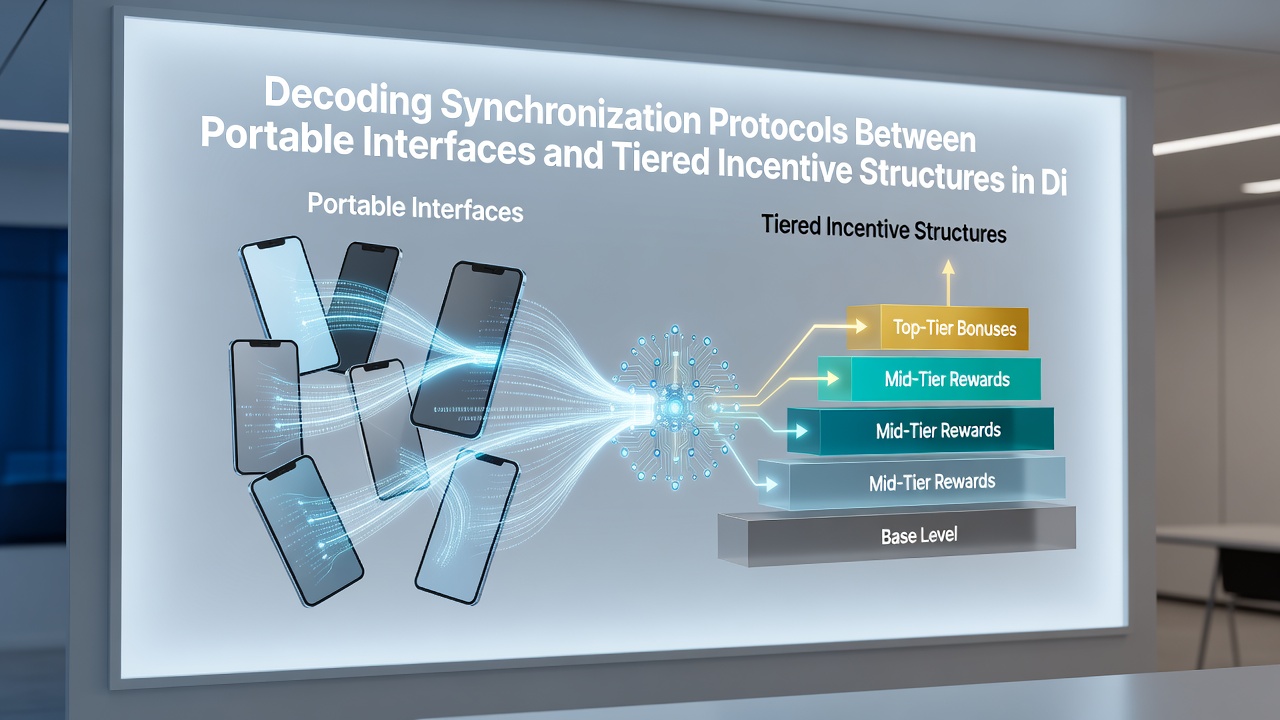
Additional layers handle regional compliance flags that may alter reward visibility based on location data transmitted during each sync cycle, and these flags update automatically when protocols detect changes in IP or GPS coordinates.
Developments Observed Through Mid-2026
By July 2026 several networks had rolled out protocol upgrades that incorporated machine-learning models to predict potential sync failures before they affect tier progression, and testing data from those deployments showed a measurable drop in player-reported reward discrepancies. According to reports compiled by the Nevada Gaming Control Board, similar protocol refinements appeared in multiple licensed platforms operating across state lines, where cross-device consistency became a required audit point. One platform that introduced these upgrades recorded a 15 percent increase in completed tier advancements within the first month of deployment, as tracked through internal analytics dashboards.
Integration Challenges and Solutions
Network congestion during peak hours can interrupt the steady flow of synchronization packets, yet operators address this through prioritized queuing systems that place tier-update packets ahead of standard game telemetry. Researchers at institutions such as the University of Nevada, Reno have documented how adaptive bitrate adjustments within the protocol stack maintain functional connectivity even under variable mobile bandwidth conditions. Security considerations also play a role, with end-to-end encryption applied to all incentive-related payloads to block unauthorized alterations during transit between portable devices and central ledgers.
Regional Regulatory Influences
Regulatory bodies in different jurisdictions impose distinct requirements on how synchronization occurs, and the Australian Communications and Media Authority has published guidelines that emphasize transparent logging of all tier-related data exchanges. These guidelines require operators to retain protocol logs for a minimum period so that audits can verify accurate reward assignments. Similar expectations appear in Canadian provincial frameworks, where device-agnostic tracking forms part of licensing conditions for digital reel offerings.
Conclusion
Synchronization protocols continue to evolve as portable interfaces become the primary access point for digital reel networks, and tiered incentive structures depend on reliable data flows to function as intended. Continued refinement of these systems supports consistent player experiences across devices while meeting the documentation standards set by oversight agencies in multiple regions. Data from ongoing deployments indicates that further protocol optimizations will focus on reducing latency and strengthening conflict-resolution routines without compromising security layers already in place.