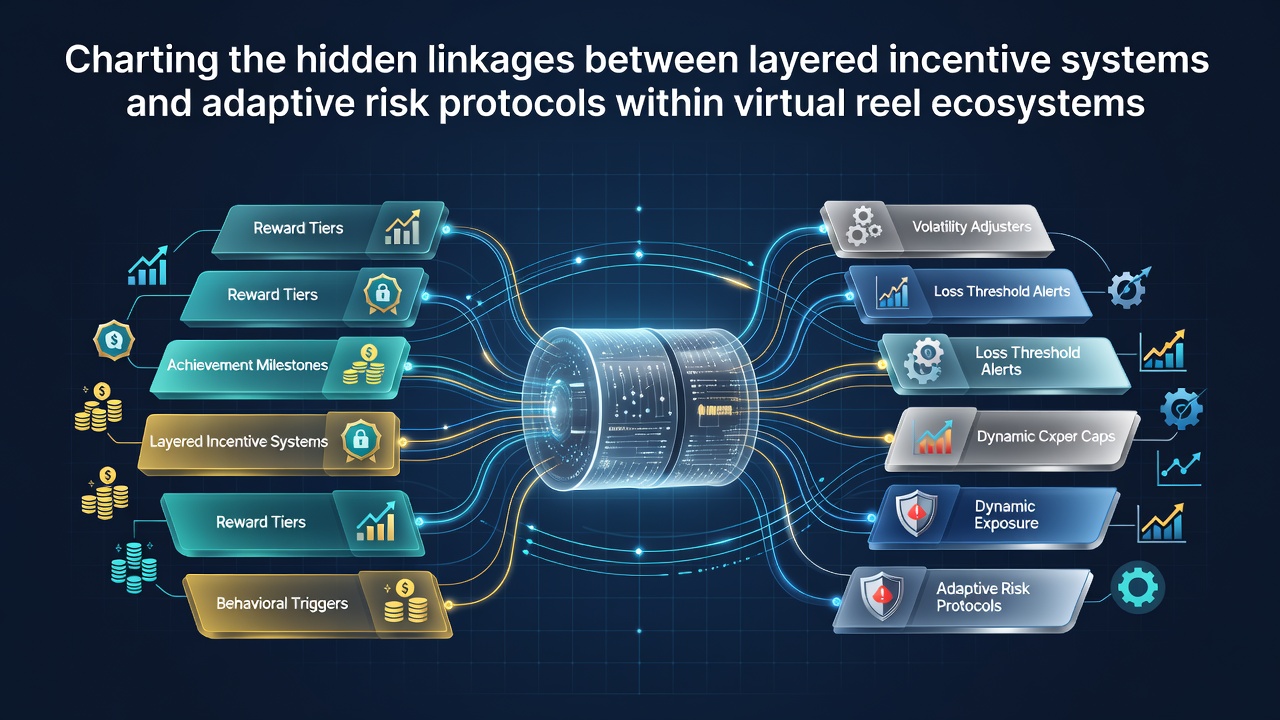
Charting the hidden linkages between layered incentive systems and adaptive risk protocols within virtual reel ecosystems
Virtual reel ecosystems rely on interconnected systems where player rewards operate in multiple tiers while risk controls adjust dynamically to maintain platform stability. Layered incentive structures assign points, cashback percentages, and exclusive access based on deposit volume and session frequency, and these mechanisms feed directly into adaptive risk protocols that monitor betting patterns for anomalies.
Mechanics of tiered reward frameworks
Operators implement progressive loyalty levels that unlock higher match bonuses and accelerated point accumulation once players reach defined thresholds. Data from platform logs show that participants advancing through silver, gold, and platinum tiers exhibit increased average bet sizes, yet the same progression triggers automated flags within risk engines when velocity exceeds historical norms for that account segment. Researchers at the University of Nevada, Reno have documented how these thresholds correlate with shifts in session duration, noting that platinum-tier accounts often receive real-time credit limit adjustments calibrated to recent win-loss ratios.
Risk protocol responses to incentive triggers
Adaptive risk systems integrate reward data streams to recalibrate exposure limits without manual intervention. When a player qualifies for a new incentive layer, the protocol evaluates concurrent variables such as device fingerprint consistency, deposit source velocity, and cross-game activity. A sudden spike in play across multiple virtual reel titles after bonus activation prompts temporary hold periods or stepped verification prompts, while steady patterns allow continued access to higher stakes. Australian Gambling Research Centre analyses indicate that such integrated monitoring reduces anomalous transaction rates by measurable margins across regulated markets.
Integration points across decentralized networks
Modern virtual reel platforms distribute processing across cloud instances that share incentive ledgers with risk modules through encrypted APIs. Each tier advancement event pushes metadata to the risk layer, which then applies machine learning models trained on historical cohorts. These models adjust parameters for volatility tolerance, and the updated settings flow back to influence future reward eligibility calculations. Observers note that this closed loop prevents overexposure during promotional periods while preserving engagement metrics for lower-risk segments.
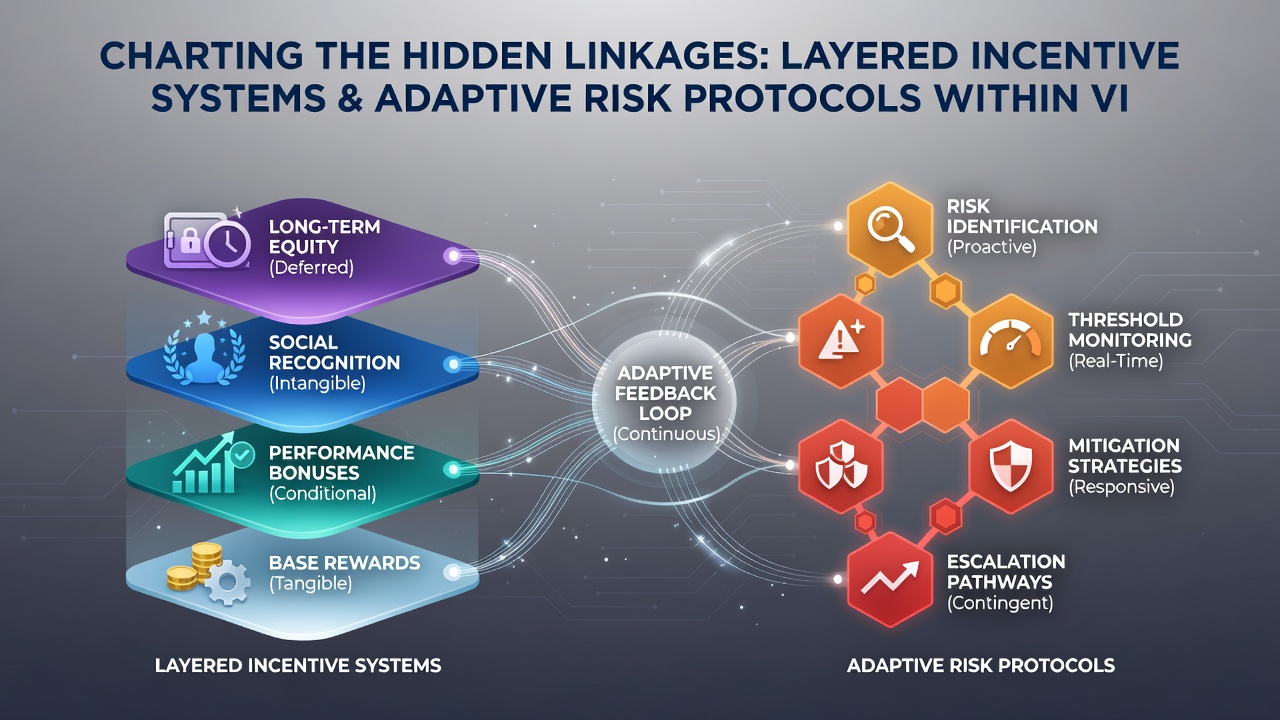
July 2026 projections from industry aggregators forecast continued expansion of these integrated architectures as operators migrate additional titles to real-time ledger frameworks. The expansion coincides with regulatory updates in several North American jurisdictions that now require documented linkage between reward calibration and responsible play safeguards.
Case examples from operational environments
One North American operator adjusted its platinum-tier cashback schedule after internal audits revealed elevated dispute volumes among newly promoted accounts. The revised protocol introduced graduated release schedules for bonus funds tied to verified play patterns, and subsequent quarterly reports showed reduced chargeback incidence while retention within the tier remained stable. European platform operators have applied similar calibrations following guidance issued by national gaming authorities, where cross-referencing reward events with session telemetry became a documented compliance requirement.
Technical considerations in protocol design
Developers embed decision trees that evaluate incentive status as a primary input variable alongside traditional fraud indicators. Latency between reward grant and risk recalculation stays under 200 milliseconds in optimized deployments, enabling seamless player experience. When models detect divergence between expected and observed behavior post-incentive, the system can initiate micro-interventions such as temporary stake caps or prompted reality checks. These interventions draw from the same data pools used to award the incentives, creating measurable feedback that refines future model accuracy.
Conclusion
The linkages between layered incentives and adaptive risk protocols continue to shape operational standards in virtual reel ecosystems. Platform architectures increasingly treat reward events as active signals within risk frameworks, producing measurable effects on transaction monitoring, player segmentation, and regulatory reporting. As networks expand through 2026, documentation of these interactions supports both operational efficiency and compliance across multiple jurisdictions.